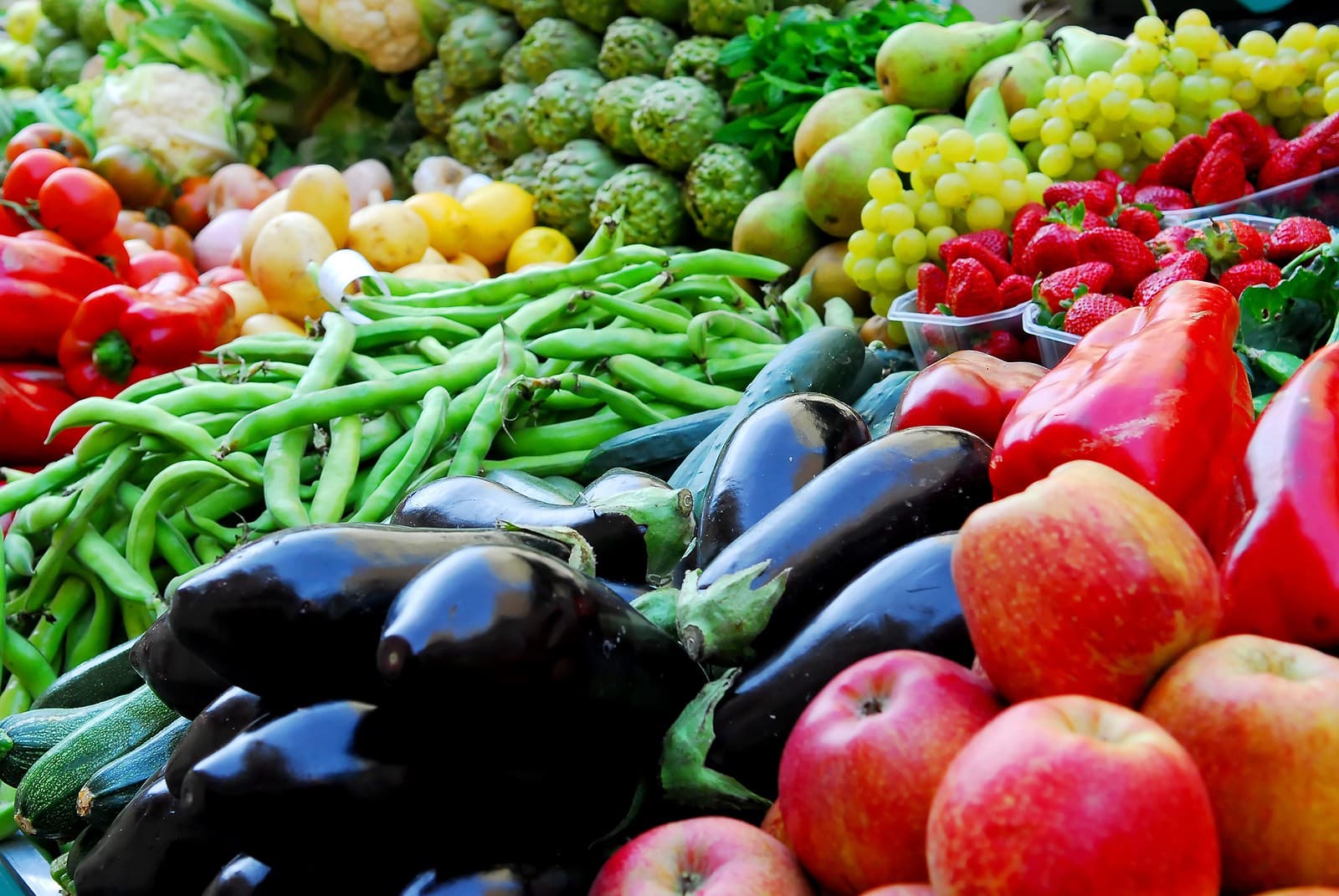
A vegetarian diet can be beneficial, but the quality of the diet matters. Last year, a meta-analysis of 25 randomized controlled trials covering more than 3.5 million participants found that there can be a big difference in outcomes depending on diet quality (Food & Function, May 19, 2025). This year, scientists report important differences in the risk of dementia for people eating plant-heavy diets (Neurology, May 27, 2026).
Will Plant-Based Diets Protect the Brain?
Scientists have directed a lot of attention towards diet and cognitive function. New research suggests that a plant-based diet can offer benefits, but here too diet quality matters. This research is unusual because it recruited volunteers from several different ethnic groups and has run an exceptionally long time. The researchers recruited nearly 93,000 middle-aged participants in the early 1990s and collected dietary data from them. Ten years later, volunteers updated their dietary data. During follow-up, approximately 21,000 subjects had developed Alzheimer disease or another dementia.
The volunteers lived in Hawaii and California, especially around Los Angeles. They identified as Japanese American, African American, Native Hawaiian, Latino and White, justifying the investigators’ naming the study the “Multiethnic Cohort Study.”
Analysis revealed that people following a predominantly plant-based diet were less likely to develop dementia. This was not necessarily a vegetarian diet, just one including a lot of plants. The quality of the diet mattered, though. People on a healthful diet rich in vegetables, fruits, nuts, legumes and whole grains lowered their risk of Alzheimer disease or other dementia by 7%. This diet also has room for tea or coffee. On the other hand, people consuming lots of refined grains, potatoes and foods with added sugars increased their risk of dementia by 6%.
Adjusting eating patterns also changed the risk. People who adapted their diets over time to include fewer low-quality foods actually lowered their risk of dementia by 11%. However, those who embraced more “junk food,” even if it was plant-based, had a 25% higher risk of dementia.
The lead author told MedPage Today,
“Our findings highlight that it is important not only to follow a plant-based diet, but also to ensure that the diet is of high quality.”
How a Plant-Based Diet Affects Your Health:
In an earlier meta-analysis from 2025, the investigators compared healthy versions of vegetarian diets, rich in whole grains, legumes, vegetables, nuts and fruit, to unhealthy versions, stuffed with fried plant foods, sweets and refined grains. Healthy eaters were 19 percent less likely to develop any kind of cardiovascular disease and 21 percent less likely to develop coronary heart disease. they also had a 25 percent lower risk for cognitive dysfunction. People on the unhealthy diets, on the other hand, had higher risks for cardiovascular disease and cognitive dysfunction. You can read more about this study in Examine.com, which scans and summarizes health research.
The scientists concluded:
“Our study suggests that adherence to hPDI is associated with favourable health outcomes in middle-aged and elderly people, except for hemorrhagic stroke.”
So far as we could tell, the risk for hemorrhagic stroke was not affected by diet in this analysis. Keep reading for previous research on this topic.
Do Vegetarians Live Longer?
Researchers who want to know more about the value of vegetarianism often study groups that avoid eating meat, such as Seventh Day Adventists. Many Seventh-Day Adventists are vegetarian, but not all.
Scientists studying 88,400 Seventh-Day Adventists have found that those following a vegetarian diet were less likely to die during the eight or so years of follow-up (American Journal of Clinical Nutrition, Oct. 2024). Specifically, vegetarians were partially protected from kidney failure, infections, diabetes, and some forms of heart disease.
On the other hand, avoiding all animal protein was not universally beneficial. Older vegetarians were more susceptible to stroke and dementia.
What About Diet Quality?
Even vegetarians need to pay attention to the quality of the food they eat. Harvard researchers who have tracked the dietary habits and health of more than 125,000 men and women for decades found that those who followed high-quality plant-based diets controlled their weight better. Such diets are rich in vegetables, fruits, nuts, seed and whole grains.
Conversely, those whose diets contained more fries, refined grains and sweetened beverages and snacks were significantly more likely to gain weight. The scientists presented their data at the Society for Nutrition annual meeting, Nutrition 2018, Boston, June 10, 2018.
Following a Vegetarian Diet for Better Health:
Another study of South Asians living in the US found that those following a vegetarian diet had fewer risk factors for diabetes and heart disease (Society for Nutrition annual meeting, Nutrition 2018, Boston, June 10, 2018). Although the vegetarians consumed more carbohydrates, they had lower body mass index and smaller waist circumferences. They also had lower fasting glucose and LDL cholesterol levels, suggesting healthier metabolism.
More Data on Quality Vegetarian Diets:
Additional studies from Brazil and the Netherlands found that people relying on plant protein more than animal protein had lower risks of cardiovascular disease (Society for Nutrition annual meeting, Nutrition 2018, Boston, June 10, 2018). Here again, though, the best diets contain minimally processed foods. Those food choices tend to be richer in fiber, minerals and vitamins than highly processed foods.
When recommending changes in dietary patterns, nutrition experts do better if they pay attention to cultural preferences. One year-long study in South Carolina found that African-American volunteers consumed a higher quality diet if it contained vegan soul food (Nutrition Research, Aug. 2024).
Learn More:
If you would like to learn more about where to get protein in a vegetarian diet, you may wish to listen to our interview with Dr. Christopher Gardner. It is Show 1126: Can You Find Your Best Diet? Another interview that might interest you is Show 1051: How Can Vegetarians Get All the Nutrients They Need?
Citations
- Park S-Y et al, "Plant-based dietary patterns and risk of Alzheimer disease and related dementias in the Multiethnic Cohort Study." Neurology, May 27, 2026. DOI: 10.1212/WNL.0000000000214916
- Zhang S et al, "Associations between plant-based diets and cardiovascular disease, frailty, and cognitive dysfunction in middle and old age: a systematic review and meta-analysis of cohort studies." Food & Function, May 19, 2025. DOI: 10.1039/d4fo03384a
- Abris GP et al, "Cause-specific and all-cause mortalities in vegetarian compared with those in nonvegetarian participants from the Adventist Health Study-2 cohort." American Journal of Clinical Nutrition, Oct. 2024. DOI: 10.1016/j.ajcnut.2024.07.028
- Hu EA et al, "Adherence to a culturally adapted soul food vegan diet among African American adults increases diet quality compared to an omnivorous diet in the NEW Soul Study." Nutrition Research, Aug. 2024. DOI: 10.1016/j.nutres.2024.01.010