The People's Perspective on Medicine
Articles categorized as Fever
Loading articles..
The People's Perspective on Medicine© 2026 The People's Pharmacy
All Rights Reserved
The People's Perspective on MedicineLoading articles..
The People's Perspective on Medicine© 2026 The People's Pharmacy
All Rights Reserved
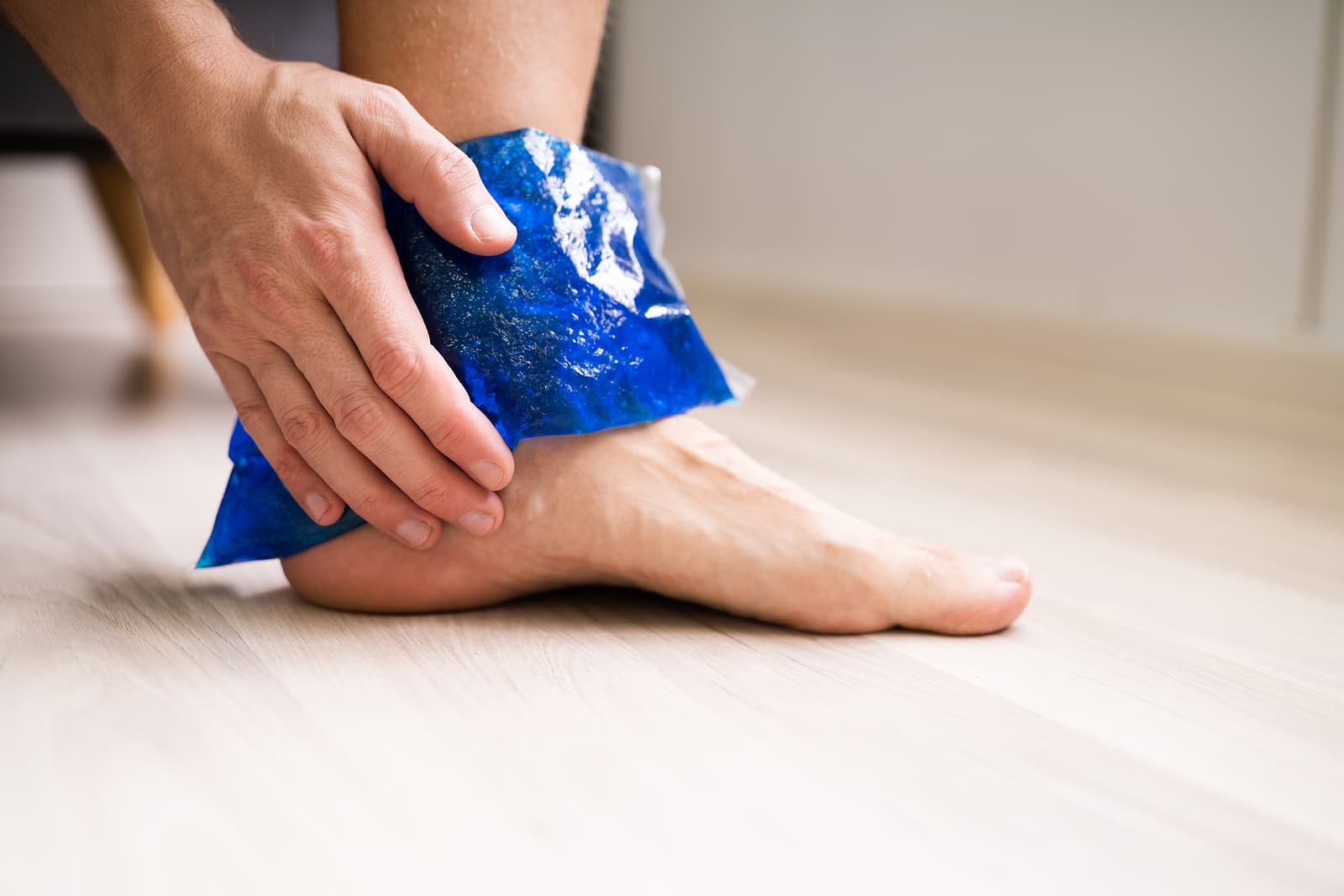
RICE, PPIs and immune blockers can help—but attempts to fool Mother Nature may sometimes interfere with the body’s natural defenses.
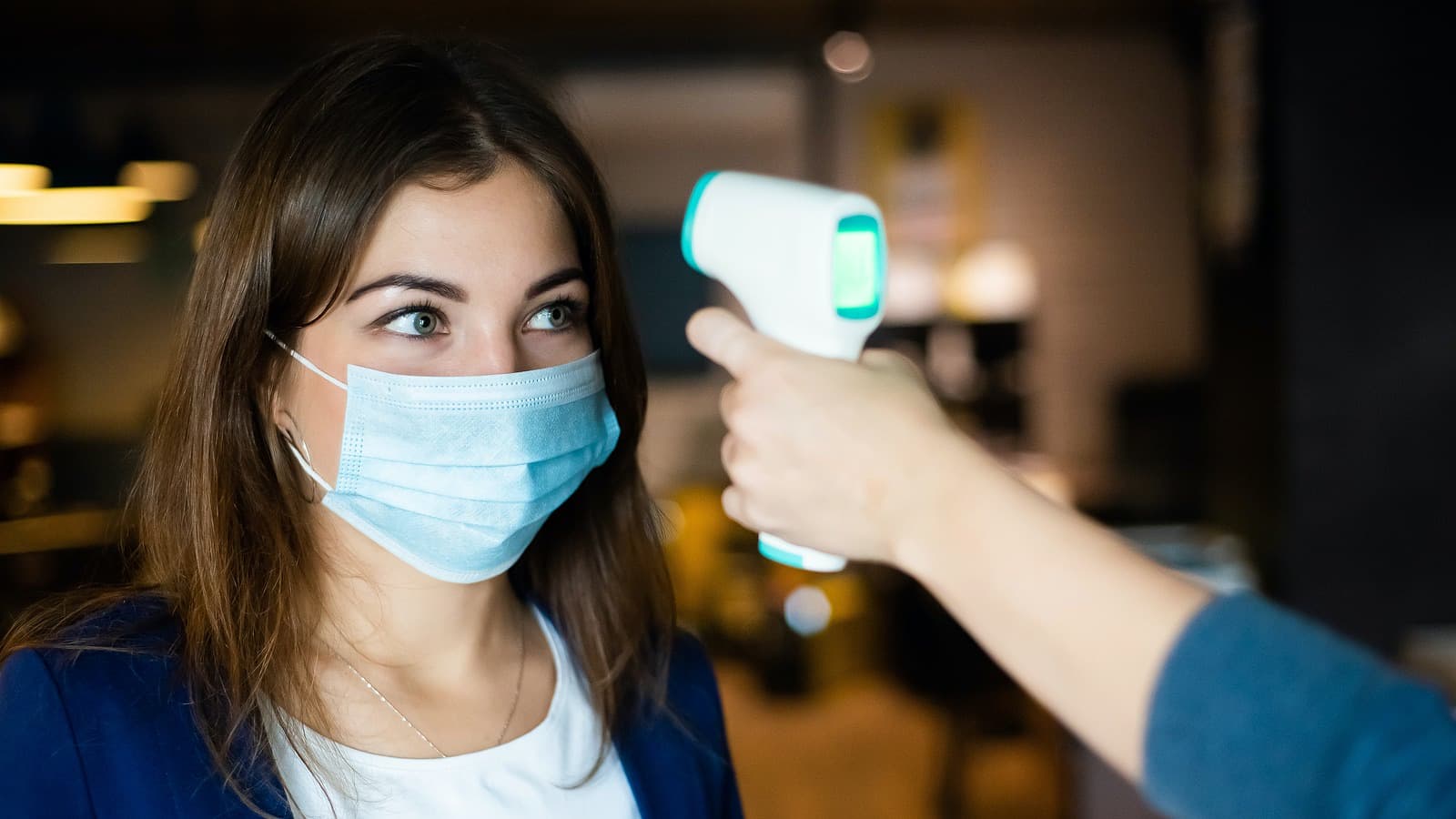
How do you measure body temperature? Do you still have an old-fashioned mercury thermometer? Bad idea! How about a new touchless thermometer?
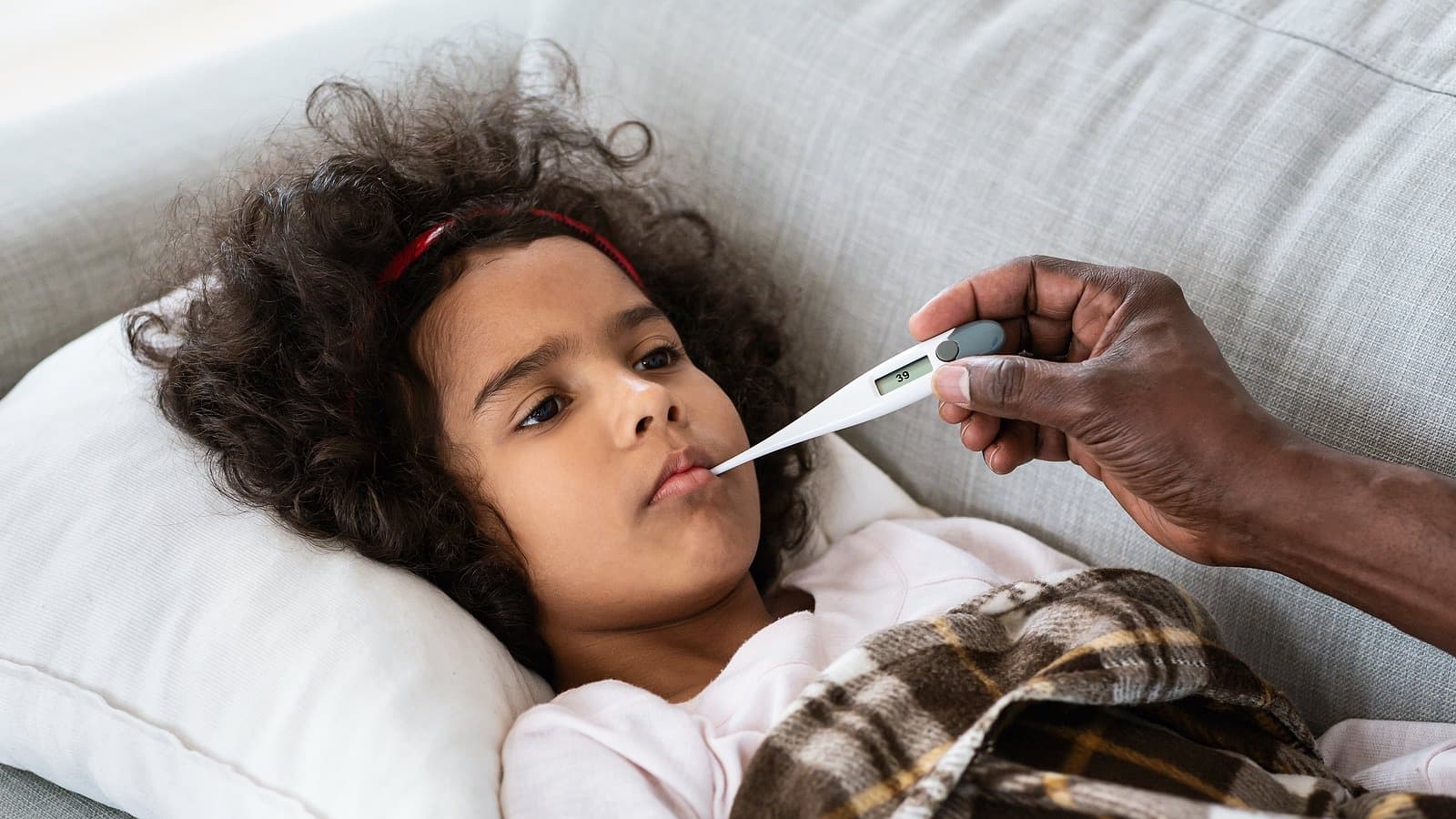
When should parents treat an elevated temperature in kids? What is the best medicine for lowering a fever? Is it acetaminophen or ibuprofen?

Understanding innate immunity can help us appreciate how can the immune system overcome viruses, including SARS-CoV-2.

Fatigue, headache, cough, shortness of breath and other COVID-19 symptoms last for weeks or even months after recovery in some people.

Centuries ago, people used a tepid bath to get a fever down, even if they had no medications. Now, doctors want to know about the underlying infection.
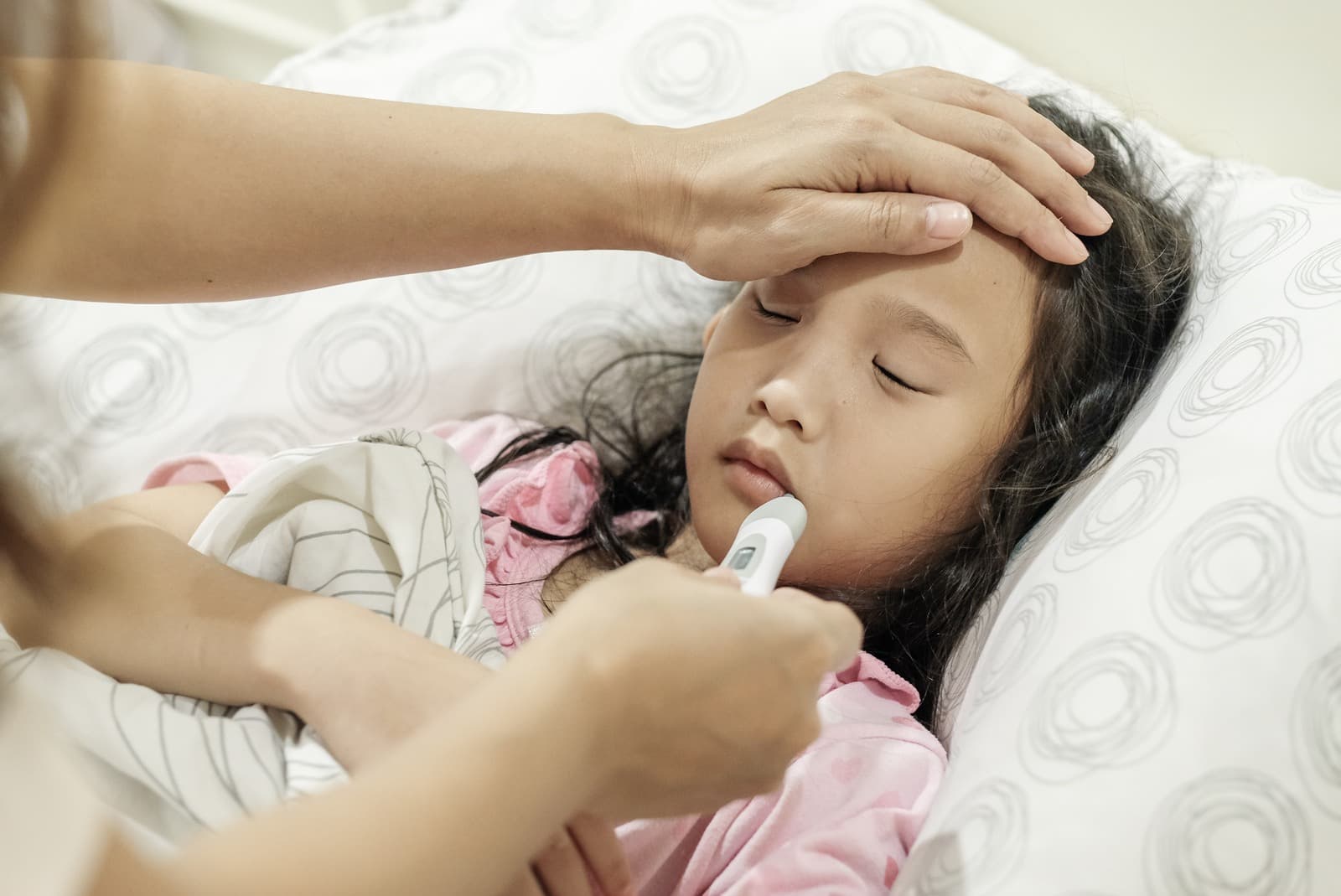
Sometimes there are answers to questions such as: When should you change the oil in your car? But some Qs are hard to answer like: When to treat a fever?

Elevated temperature can help the body recruit the immune system against infection. That's why you may not want to treat a fever unless it is very high.

Experts are predicting that the 2019/2020 flu season may be worse than usual. Consider getting a flu shot and keeping your immune system strong.

Dosage variation prompted a manufacturer to recall ibuprofen for treating infants' fevers.
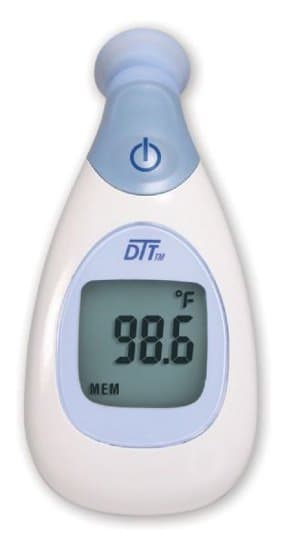
The Bestmed Digital Temple Thermometer does not read proper temperatures and could make it harder to spot a fever.
Acetaminophen treatment is a mainstay for pediatric fever, but this hospital-based study found it did not speed recovery or improve survival for sick kids.
An elevated temperature is merely a symptom of an underlying infection. The infection may call for treatment, but a mild fever usually does not.

It may come as a surprise to learn that there aren't good clinical trials measuring the benefits of lowering a fever when patients have influenza.