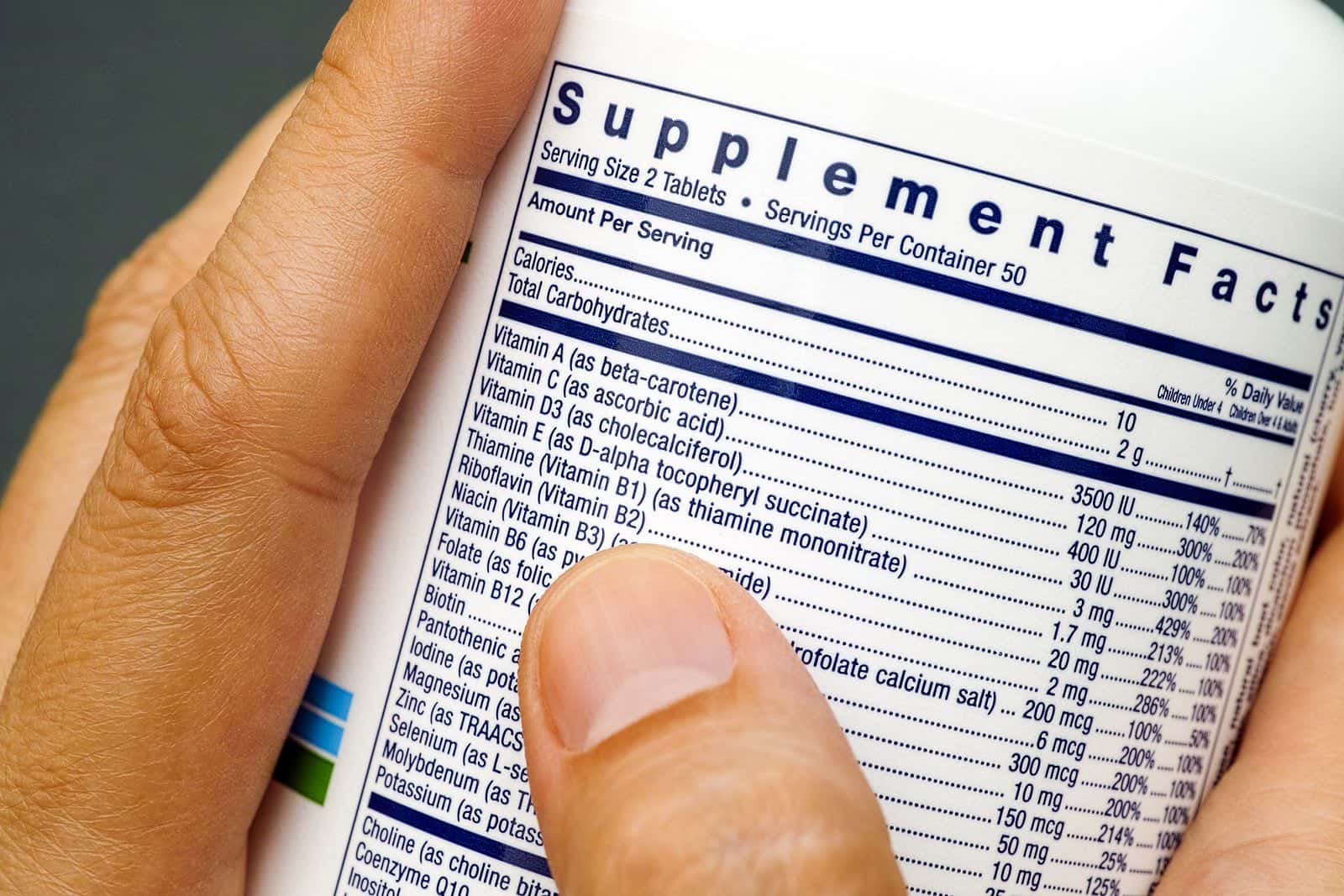
Many medical professionals are skeptical about the value of multivitamins. We have heard from some health professionals that vitamins and minerals are a total waste of money. Research is accumulating, however, that a daily multivitamin-multimineral supplement can offer real benefits as we age. In fact, taking such a product faithfully for years actually seems to slow the aging process.
How Do Vitamins and Minerals from Supplements Affect Aging?
A fresh analysis of data from the COSMOS trial of multivitamins and cocoa flavanols now suggests that the multivitamin-multimineral combination used in the study slowed aging (Nature Medicine, March 9, 2026). The conclusion is based on almost 1,000 study volunteers with an average age of 70.
Compared to those taking placebo tablets, those on the multi for two years aged more slowly according to two markers of biological aging. In addition to slower aging, those in the vitamin supplement arm of the study had lower inflammation and better cognitive function.
How Did the Scientists Measure Aging?
Epigenetic aging clocks measure methylation on DNA in cells. There were five different DNA sites considered in this study, and two of them were linked to the supplement containing vitamins and minerals. Such “clocks” are not perfect, but they do offer some sense of how fast a person is aging relative to their chronological age.
The slowing was small, between one tenth and two tenths of a year. People whose aging was accelerated before the study began got the most noticeable benefit from taking a multivitamin. The researchers suggest that aging more slowly in this way could translate to a somewhat lower risk of cancer. It is still too early to tell whether that guess will hold up.
The authors summarized,
“In conclusion, we provide evidence from a large-scale and longterm RCT that a daily MVM is a safe, readily accessible and low-cost intervention that may slow epigenetic aging.”
The supplement used in this study contained both vitamins and minerals designed for people over 50. To select a good quality supplement for yourself, you may wish to check out the recent analysis by ConsumerLab.com. There is a subscription fee for access to the full report.
How Have Opinions About Vitamins and Minerals Been Changing?
This popular refrain was repeated for decades: “If you take vitamins and minerals all you will get will be expensive urine.”
Here is a classic example posted by “Orac” on ScienceBlogs on December 19, 2013:
“I remember during medical school that more than one of my faculty used to have a regularly repeated crack that the only thing that taking vitamin supplements could do for you was to produce expensive pee. My first year in medical school was nearly thirty years ago now; so it’s been a long time. During the nearly three decades since I first entered medical school, I have yet to see any evidence to persuade me otherwise. If you eat a well-rounded diet, you don’t need vitamin supplementation.”
Should you wish to read Orac’s complete article: “Supplements: Flushing your money down the toilet in expensive urine,” here is a link.
We Respectfully Disagree
The entire basis for the expensive urine argument is based on the premise that people are eating a “well-balanced diet.” What does that even mean?
Now please do not get me wrong. I absolutely think food is the best source of nutrients. When people avoid processed foods and shop locally at their farmers’ markets they are doing everyone a favor. Preparing real food at every meal and steering clear of packages with impossible-to-pronounce ingredients is totally sensible. It’s also unrealistic for many people.
Moms who have to get their kids out the door for school often rely on sugary breakfast cereal or something that was frozen. People in a hurry grab-and-go at fast food joints or take-out restaurants. Actually taking time to cook a real meal has become a luxury a lot of families don’t feel they can afford.
Deficiencies: More Common Than Realized
Tieraona Low Dog, MD, has been studying nutrition for decades. In her wonderful book, Fortify Your Life: Your Guide to Vitamins, Minerals and More, she provides insight into the vitamin and mineral controversy. She points out that 16 million Americans are deficient in vitamin C. Dr. Low Dog reports that the CDC estimates that “at least 66 million Americans have low levels of vitamin D.”
Doctors like Orac rarely consider how many people are now vegans. These individuals may be deficient in riboflavin (vitamin B2) because they do not consume dairy or meat. And by the way, they are also likely to be low in vitamin B12, found exclusively in animal products and supplements. Many people who are not vegetarians avoid dairy because they are lactase deficient. Some must avoid meat because they have alpha-gal allergy. Those with celiac disease and gluten sensitivity must steer clear of wheat, barley and rye. Such grains supply important nutrients.
And speaking of vitamin B12, people who take the diabetes drug metformin or the acid-suppressing medications called PPIs (proton pump inhibitors) may also be low in vitamin B12. PPIs like Nexium, Prevacid and Prilosec may deplete the body of magnesium and other minerals. People with high blood pressure are almost inevitably put on diuretics. Millions are also taking ACE (angiotensin converting enzyme) inhibitors like lisinopril. Such drugs can deplete the body of zinc. Many doctors monitor potassium, but magnesium and zinc are often forgotten. When levels of magnesium fall, every cell in the body can be affected negatively.
Do You Take Supplements?
Do you take vitamins and minerals? According to a Gallup poll a few years ago, more than half of Americans take supplements. No poll has told us how many have asked their primary care providers about these pills. More than one reader has become frustrated with the lack of response.
What Do Doctors Know About Vitamins and Minerals?
Q. I don’t understand why more doctors are not familiar with vitamins and minerals. Whenever I mention supplements to any of my physicians, they always say they don’t know anything about them. Sometimes they don’t recommend supplements because they might interact or interfere with current medications I’m taking. Or they dismiss vitamins as a waste of money. Why is mainstream medicine so gung-ho for chemical medicines like statins but averse to meds from nature?
Interactions and Depletion:
A. Your doctors are right that vitamins and minerals might interact with some medications. For example, calcium, iron, zinc and magnesium can interfere with the absorption of the thyroid hormone levothyroxine. Potassium can make blood pressure pills like lisinopril or losartan more dangerous.
A far more likely scenario, however, involves nutrient depletion by commonly prescribed medications. As we mentioned above, acid-suppressing drugs such as esomeprazole (Nexium) and omeprazole (Prilosec) can lead to lower levels of magnesium, iron, selenium and B vitamins.
Blood pressure pills like captopril, enalapril and lisinopril can deplete the body of zinc and Coenzyme Q10. Thiazide diuretics and furosemide affect B vitamins as well as minerals like magnesium, potassium, sodium and zinc.

If you would like to learn more about how common medications affect your nutritional status, you may want to read Dr. Tieraona Low Dog’s comprehensive book, Fortify Your Life: Your Guide to Vitamins, Minerals, and More.
Dr. Low Dog has a fabulous section at the end of her book listing medications that can cause drug-nutrient depletions and interactions. People who regularly take medications should consult this section and show it to their physicians.
When Doctors are Dogmatic, Patients Clam Up
Cindy says it eloquently:
“I have totally given up on EVER even MENTIONING natural supplements, food remedies, vitamins, etc., to any regular doctor. This is because every time I ever did, I was met with a blank stare and/or complete dismissal of the idea that ‘natural remedies’ were anything but a bunch of hooey.
“I have reached the age of 68 in very fine form and most people think I’m about 45…more than 20 years younger than I actually am!
“That said, it IS incumbent on people to do their own research! And you have to get lots of opinions from lots of sources, so you can ‘average them out’ to find the best representation of ‘truth.’
“By the way, ISN’T IT STRANGE that so many people seem uncomfortable with ‘natural remedies,’ saying, ‘yes, but they could be dangerous’…when prescription medications are the ones with the most dangerous and debilitating side effects! Sheesh.”
Learn More
We cannot think of three better books to consult on such matters than those written by Tieraona Low Dog, MD.
Fortify Your Life: Your Guide to Vitamins, Minerals and More
If you would like to learn more about Dr. Low Dog and these amazing publications, visit her website:
You can also listen to Dr. Low Dog on The People’s Pharmacy radio show. She was our guest on the topic of boosting the immune system and medical controversies about statins, hypothyroidism and vitamins and minerals. You can listen to Show 1057: How Can You Improve Your Immune Response for free at this link. Or to Show 1210: What Are the Health Benefits of Tea, Coffee and Chocolate?
Our most recent interview with her was Show 1460: Calming Chronic Inflammation Without Medication.
Let us know what you think. Are vitamins and minerals a waste of money? We really would like to get your opinion in the comment section below. If you have found this information helpful, please share it with a friend.
Citations
- Li S et al, "Effects of daily multivitamin–multimineral and cocoa extract supplementation on epigenetic aging clocks in the COSMOS randomized clinical trial." Nature Medicine, March 9, 2026. DOI: 10.1038/s41591-026-04239-3